Business Guide to Clone App Development
 By
Avantika Shergil
|
Feb 2, 2026 |
App Development Mobile Apps
By
Avantika Shergil
|
Feb 2, 2026 |
App Development Mobile Apps
The demand for clone app development has grown rapidly as businesses look for faster, lower risk ways to enter competitive digital markets. Instead of spending months building a mobile application from scratch, companies are choosing clone app solutions that are based on proven platforms and established user behavior. This approach allows startups and enterprises to validate their ideas quickly while reducing development costs and technical uncertainty.
From ride hailing and food delivery to eCommerce and streaming platforms, successful app models have already demonstrated what users expect. Clone mobile app development takes these expectations and transforms them into customized products for new regions, industries, and audiences. Businesses do not copy blindly. They adapt features, user experience, and monetization strategies to fit their specific goals and market conditions with the support of experienced mobile app development companies.
As digital competition increases, speed and reliability have become critical. A structured clone app development process helps companies launch faster, attract users sooner, and begin generating revenue without waiting for long development cycles. With the right strategy and development partner, a clone app becomes a scalable business platform rather than a short term experiment.
This guide explains how clone app development works, what it costs, how to choose the right development company, and how businesses can turn proven app concepts into profitable digital products.
Table of Contents
What is Clone app development?
As the name suggests, the ‘clone’ application is a mobile software tool that resembles or is inspired by another application that already exists. An on-demand clone app development company uses almost everything the same -from features to codes and functionalities to labelling texts as per an application that is already present in the market or in their inventory.
In most cases, entrepreneurs want to leverage the best benefits of a proven profit-making business and, therefore, insist to develop a clone of popular apps. Hence, if you want to build an app that is exactly like the other already-hit app in the market, you are actually looking for the best and quick way to get ROI.
How is clone app development different from custom app development?
Custom mobile app development is a complex process as it involves many steps and milestones as well as a high technology stack.
Building an app from the scratch is not an easy job as you need to come up with several plans such as wireframing, prototyping, finding and hiring the best app development partner for mobile app development, estimating app development costs, and most importantly, making it sure that the app is aligned to your business objectives and functions as per your expectations.
There are several other aspects such as
- The time it takes to build a new app from scratch
- The budget which is generally high to build a custom mobile app as per your business objectives
- The resources to develop an all-new mobile application would be more; and, finally.
- The surety of whether the application would boost your business or would be loved by users is still gloomy
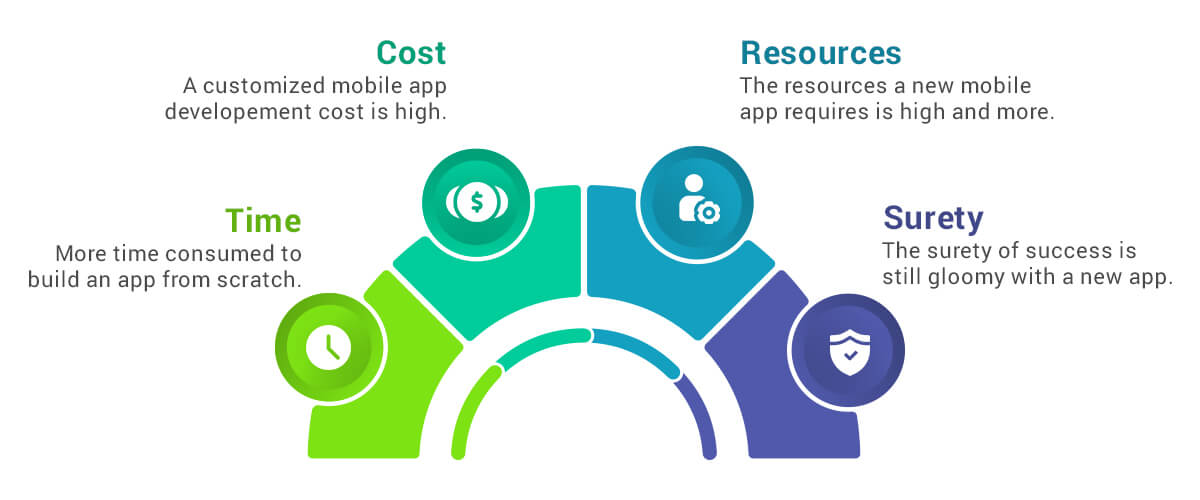
On the other hand, clone app development takes off all such worries from your project and delivers a bespoke solution that you always deserved.
Why Businesses Choose Clone App Development?
Clone app development has become a preferred strategy for startups and enterprises that want to enter high-demand markets without the risks of building a product from scratch. Based on our analysis of app development projects across mobility, food delivery, fintech, and on-demand services, clone-based solutions consistently help businesses reduce launch time, control costs, and validate demand faster.
Here’s why companies across industries choose clone app development:
Faster Time to Market
Building a custom app from the ground up can take 6–12 months or more. Clone app development reduces this timeline to 8–16 weeks, allowing businesses to capitalize on market trends before competitors.
Experience insight: Many startups fail not because their idea is bad, but because they launch too late. Clone apps allow founders to test, pivot, and scale quickly without waiting for long development cycles.
Lower Development Cost
Developing a fully custom app often costs 30–60% more than a clone-based solution. With pre-built modules and reusable architecture, clone apps significantly reduce design, development, and testing costs.
This makes clone app development ideal for:
- Startups with limited funding
- SMEs entering digital markets
- Enterprises testing new business models
Proven Business Model
Clone apps replicate platforms that already have:
- Millions of users
- Market validation
- Scalable revenue models
Instead of guessing what works, businesses follow a model that has already succeeded in real-world markets—whether it’s Uber, Airbnb, Netflix, or Instagram.
Scalability for Business Growth
Modern clone apps are built using scalable frameworks and cloud-ready architecture. This means businesses can:
- Start with a minimum feature set
- Add advanced modules later
- Support higher traffic without rebuilding the system
This flexibility ensures long-term business growth.
Market Validation & Reduced Risk
A clone app is not just a copy—it is a tested concept customized for a specific audience or region. Businesses can:
- Launch MVPs quickly
- Collect real user feedback
- Improve features based on data
This reduces risk and increases the chance of long-term success.
What are the benefits of clone app development for Businesses?
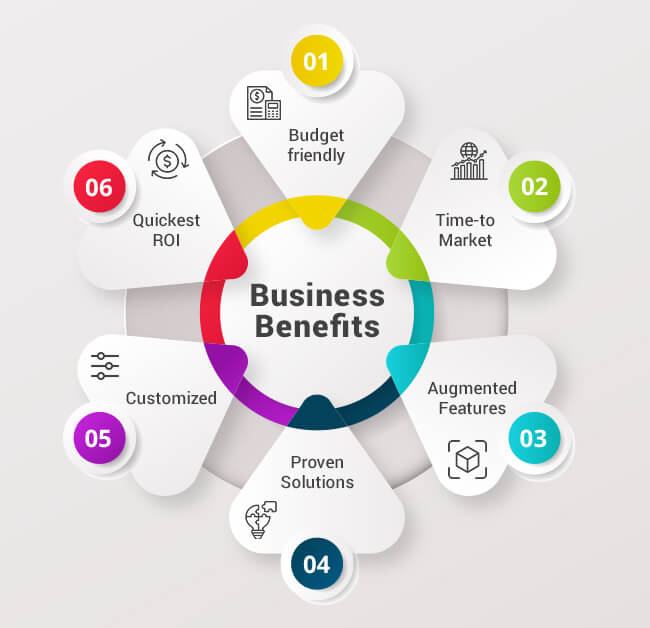
The advantages of building a clone app are many. From the budget it requires to time-to-market period and ease of developing an already developed application makes a big difference in mobile app development by all accounts. Here are some of the top reasons why a business should opt for clone app development–
Budget-friendly
The biggest concern to any entrepreneur, especially a startup with limited financial sources, is the budget they could allocate to custom mobile app development. It is not an unknown fact that when the strategies that are already hit in the market are readily available, you can use them to save big on time and money.
Choosing a renowned clone script app development firm is one of the easiest and fastest ways to build a customized copy of product that caters to your business goals.
Time-to-market
Since the strategies and codes are already in place, it takes hardly some time to work on clone scripts’ mobile app development. The clone scripts are readymade codes and plans from the inventory or storage (past projects) ready to use. The time-to-market would be much quicker as compared to building a new Custom-made mobile application from the scratch.
For instance, if you want to make Uber-like app or a similar app like Netflix, the readymade code of similar applications would help you to focus on additional features that you require to build your digital product which results into much faster completion of the app.
Now, the firms and agencies from where you hire developers would simply use the resources (codes) available for most of the apps’ features and functionalities. They don’t need to write codes from the beginning.
Business-specific augmented features
Clone app solution providers can augment your product further with the latest technologies. What is available and selling like a hot cack can be a part of your clone app development.
For instance, if you want to integrate third-party applications or some contemporary stuff or top technologies stacks such as augmented reality, the Internet of Things, virtual reality, or artificial intelligence, it is quite possible. All such facilities can be included at some extra costs.
Market-proven solutions
When you develop a clone of popular apps, you are almost at surety to build something that has already become a hit and people know the brand by name. Readymade clone scripts would simply need to be copied and pasted in place with some modification and customization as per a client’s demand. And, that’s it! The white-label clone app development could do wonders as the business strategies and original apps have already found a permanent place in users’ hearts.
Fully customized clone app development
On-demand clone app development companies can help you tailor the product as per your additional choice to the original business ideas and apps. That said, if you want some modification in your cloned app, it is possible. For instance, mobile app clone scripts can include a video-calling feature that is not present in the original app.
Quickest ROI
Proven in strategies, planning, and user-friendliness, clone app development assures you of business success because things have already worked and proven to other businesses. The quickest return on investment is possible when you go for a cloned app because someone else has already done it for you! Why not take the best benefits of someone else’s intense market research and well-crafted user interface with astounding features that hundreds of thousands of customers and users already love?
Step-by-Step Clone App Development Process
Clone app development follows a structured process that ensures faster delivery, better performance, and long-term scalability. Each stage plays a critical role in transforming a proven business model into a fully functional and customized mobile application. A well-defined development workflow also helps businesses avoid delays, reduce risks, and achieve better product quality.
Below is the complete step-by-step process for clone app development.
Clone App Market Research
Clone app market research identifies real user demand, competitor gaps, and monetization opportunities before any development begins. This step ensures that the clone mobile app is not built blindly but is aligned with current market behavior and business goals. Businesses use research data to define the target audience, pricing strategy, and feature expectations. Without market research, even a proven clone app model can fail.
Key activities include:
- Analyzing competitor apps and user reviews
- Identifying target audience behavior and needs
- Studying regional demand and legal requirements
Clone App Feature Planning
Clone app feature planning converts market research into a functional product roadmap. This step defines what the app will offer, how users will interact with it, and how the business will generate revenue. Clear feature planning prevents scope creep and reduces unnecessary development costs. It also ensures that the clone app delivers real value to users.
This stage includes:
- Listing essential user and admin features
- Prioritizing core and advanced functionalities
- Creating a feature roadmap for future upgrades
Clone App UI/UX Design
Clone app UI/UX design shapes how users experience the mobile application. A simple and intuitive interface increases user engagement, retention, and trust. Strong design also differentiates the clone app from competitors, even when the business model is similar. Poor design, on the other hand, directly reduces conversion rates.
Design tasks include:
- Wireframing and user flow creation
- Visual interface design
- Usability testing and design optimization
Clone App Development
Clone app development is the stage where the application is built using scalable technologies and secure backend systems. Developers connect the frontend interface with databases, APIs, and third-party services to ensure smooth functionality. This phase determines the performance, speed, and reliability of the mobile app. A well-developed clone app can handle growing traffic and business expansion.
Development of clone app involves:
- Frontend and backend coding
- API integration and database setup
- Performance optimization
Clone App Testing & QA
Clone app testing and quality assurance ensure that the application works correctly across devices, platforms, and user scenarios. This step identifies bugs, security risks, and performance issues before users experience them. Proper testing protects brand credibility and prevents costly post-launch failures. A clone app without testing risks poor ratings and user loss.
Clone app testing includes:
- Functional and performance testing
- Security testing
- Device and platform compatibility checks
Clone App Launch
Clone app launch makes the mobile application available to real users through app stores or web platforms. This step ensures compliance with platform guidelines and prepares the system for live traffic. A structured launch reduces technical issues and improves first impressions. The success of the first release directly affects user trust.
Clone app launch activities include:
- App store submission and approvals
- Server configuration
- Final performance checks
Clone App Post-Launch Scaling
Clone app post-launch scaling focuses on growing the platform after users begin using the application. This step ensures that the app remains stable, competitive, and profitable as demand increases. Businesses use real user data to improve features, optimize performance, and expand into new markets. Scaling is what transforms a clone app into a sustainable digital business.
Scaling of Clone app includes:
- Feature enhancements
- Infrastructure upgrades
- User feedback integration
What are the effective aspects of clone app?
During the clone app development, the features are integrated depending on the industry niche or client requirements. There is no fixed list of clone app features as they vary from app to app; nevertheless, here are a few common features to list –
Panels
Depending on the stakeholders and users, the panels are built with special features and customized facilities. For instance, the master admin panel would have total control over all the profiles, data, content, and the like. On the other hand, the user panel would have limited access and privilege to information or data. The users may not be able to change the overall content of the clone application, whereas the admin would have the rights to delete, edit, add, or remove content and even users.
UI/UX design
The best user interface is guaranteed in clone app development because the original application has been doing quite well in the market. The user interface can be inspired by the original application for a memorable user experience and, therefore, a major chunk of the budget on UI/UX can be saved with the development of clone app for your business application.
Analytics
Most on-demand clone app development service providers would add analytics as one of the most useful features. Depending on the industry niche and business requirements, the analytics can be modified or customized. Nevertheless, entrepreneurs always find readymade analytics (built-in) as a solid foundation for their business strategies.
Payment gateway
An app like Amazon witnesses transactions of hundreds of thousands of dollars every hour and therefore, the secure payment gateway is one of the premier features to integrate while developing a clone app. The clone script app development services you avail would come with secure and multiple payment methods that most users use. Such methods include e-Wallet, credit cards, debit cards, Internet banking, and even lately, bitcoin (cryptocurrency).
What are top clone app development ideas for your business?
One can clone almost any application that is available in the market according to the requirements of their business but most business personnel who want to copy the sure shot application with proven record would go for the popular mobile apps in market. On the market are many popular applications to clone. You, depending on your business niche, can choose any one or multiple apps to clone.
Amazon
The biggest eCommerce application on the app store, Amazon houses hundreds of thousands of products ranging from apparel to footwear, jewelry to electronics, and gift articles to groceries. Amazon’s business model is so strong that Amazon-like app development would guarantee good and fast returns on investments (ROI).
Uber
An epitome of the best cab or taxi application, Uber clone app development can get you high revenues as you provide on-demand taxi or cab booking in one or multiple regions. Uber is one of the favourite applications of businesses to look upto to create a clone app dues to its successful revenue model. Lately, Uber has also developed into a super application where they offer more than just booking and renting vehicles.
Zomato
One of the most popular applications is Zomato, a food delivery app. Keeping delivery chargers and other taxes as their chief revenue model for food delivery apps, Zomato has surpassed all expectations of profits in on-demand food delivery from eateries and restaurants.
Airbnb
Started as merely a vacation rental, Airbnb today houses hundreds of thousands of properties worldwide. Cutting down the commissions of mediators, Airbnb directly connects house or property owners with tourists and travellers. You may build alternate hotel app or clone the app such as Airbnb to get into the hospitality business.
YouTube
Clone app development like YouTube can help you get millions of users through its astounding features. Much more than video sharing and uploading, the YouTube-like application also offers short video uploads and you can have various business models for steady business and monetization.
Ikea
One of the most popular applications, Ikea offers the largest collection of ready-to-assemble furniture, kitchen appliances, decoration, home accessories, and various other goods and home services. Cloning the Ikea-like applications is indeed profitable and you can have quick ROI without spending much on building an application similar to it.
Netflix
The most powerful on-demand video streaming application, Netflix-like apps for clone development could be just an easy way for you to house quality content of featured films, home videos, web series, and the like. OTT video streaming app is a big hit these days especially after the pandemic when people prefer watching their favorite flicks at home and binge-watch popular web series. Netflix has millions of subscribers worldwide who have already developed a habit of having this app on their devices.
Owned by Meta Facebook, Instagram-like app development could be a simple ride to a successful business. You can hire developers to build a social media app like Instagram where people can post their photos and short videos plus stories to socialize with the rest of the world.
Gojek
The best example of a super app, you can go for Gojek clone app development to have a multi-service tech platform that offers unparalleled services of transportation, logistics, payment, food, and grocery deliveries, and the list is endless! Gojek-like clone app development means a shortcut to jump into an already-superhit business.
How to Choose the Right Clone App Development Company?
Choosing a clone app development company is a business decision that directly affects your revenue, data security, and time to market. A skilled partner helps you validate your idea, build a stable product, and scale with confidence. A poor choice creates technical debt, delays, and long term losses.
Review Proven Clone App Projects
A portfolio must prove business results, not just technical capability.
Real clone app case studies show whether the company understands user behavior, performance requirements, and platform scalability. When you review past work, you are measuring their real experience in clone app development, not their marketing ability.
What to look for
- live app store links
- business use cases
- performance results
- feature complexity
If a clone app development company cannot demonstrate real clone app builds, they are not ready for your project.
Evaluate the Technology Foundation
Technology determines speed, security, and long term growth.
The right clone app development company uses modern, scalable frameworks and cloud architecture that can grow with your users. Poor tech choices will force you to rebuild the app later at a higher cost.
- Ask direct questions
- Which backend framework do you use
- How do you ensure app scalability
- What security layers protect user data
Strong technical answers signal real expertise.
Check Market Reputation and Client Feedback
Client reviews show how the clone app development company behaves after the contract is signed. They reveal communication style, delivery reliability, and problem handling under pressure. Trustworthy clone app developers have consistent feedback across platforms.
Focus on
- response speed
- issue resolution
- post launch support
One negative review can happen. A pattern of complaints is a warning sign.
Verify Data Security and Compliance Readiness
In clone app development, security is not an optional feature. It is a core business requirement. Most clone mobile apps handle sensitive user data such as payment information, personal details, identity verification, and real time location tracking. If this data is exposed or misused, your business can face legal penalties, customer loss, and irreversible brand damage.
A reliable clone app development company builds security directly into the system architecture. This includes encrypted data storage, secure APIs, role based access control, protected payment gateways, and authentication layers that prevent unauthorized access. They should also understand international data protection regulations such as GDPR, PCI DSS, and regional privacy laws that apply to your target market.
Before hiring a clone app development company, you must confirm how they manage data protection, security testing, and compliance audits. A company that cannot clearly explain its security framework puts your entire business at risk. In professional clone app development, trust is created through secure systems, not promises.
Assess Long Term Support and Growth Partnership
Launching your clone app is only the beginning of the business lifecycle. After release, your application will require continuous updates, server optimization, bug fixes, feature upgrades, and performance monitoring to stay competitive. Without long term technical support, even a successful app can fail due to outdated technology or poor user experience.
A professional clone app development company does not disappear after delivery. They provide ongoing maintenance, version upgrades, security patches, and infrastructure scaling as your user base grows. They also help you analyze performance metrics and user behavior so you can improve retention and revenue.
When evaluating a clone app development company, ask about their post launch support model, response time, upgrade process, and system monitoring services. A strong growth partner ensures your clone mobile app evolves with market demands instead of becoming obsolete.
Choosing the right clone app development company requires more than comparing prices. You must evaluate real project experience, technology capability, security readiness, client feedback, and long term support structure. Each of these factors directly affects your app’s stability, user trust, and business scalability.
Start by shortlisting clone app development companies with proven clone app portfolios and industry experience. Request a consultation and ask them to explain their development process, security practices, and post launch support. Compare their roadmap with your business goals and growth expectations.
The right clone app development partner will not only build your app. They will help you create a scalable digital product that generates revenue, attracts users, and grows with your business.
Clone App Development Cost Breakdown
Clone app development costs vary based on app complexity, platform requirements, geographic location of the development team, and long-term maintenance needs. Businesses often choose clone app solutions because they offer a predictable and lower-cost alternative to building a custom application from scratch. Understanding the cost structure helps companies plan budgets, avoid hidden expenses, and select the right development partner.
Below is a detailed breakdown of the key cost factors in clone app development.
Cost by Region
The cost of clone app development depends heavily on the location of the development team. Different regions have different hourly rates based on labor costs, technical expertise, and market demand. Many businesses outsource clone app development to balance cost and quality.
- North America: $80–150 per hour
- Western Europe: $60–120 per hour
- Eastern Europe: $35–70 per hour
- India & Southeast Asia: $20–50 per hour
Choosing the right region allows businesses to control expenses while maintaining development quality.
Cost by Complexity
Clone app pricing also depends on the level of features, design, and backend architecture required. More complex apps require additional development time, testing, and integrations.
- Basic clone app: Core features, simple UI, limited admin panel
- Mid-level clone app: Advanced UI, user profiles, real-time features
- Advanced clone app: AI features, payment gateways, analytics, cloud scaling
Higher complexity increases development time and overall cost.
Cost by Platform (iOS, Android, Web)
The number of platforms you choose directly affects clone app development costs. Each platform requires separate development, testing, and optimization.
- Android app: Optimized for Google Play devices
- iOS app: Built for Apple devices and App Store compliance
- Web app: Browser-based access for wider reach
Developing for multiple platforms increases cost but improves user accessibility and market coverage.
Maintenance Cost of a Clone App
Maintenance is an ongoing cost that includes updates, security patches, performance optimization, and feature enhancements. Most businesses spend 15–25% of the initial development cost annually on app maintenance.
Regular maintenance ensures your clone app remains secure, stable, and compatible with new operating system updates.
Copy That!
Clone app development is a highly beneficial way to get into any industry vertical especially when you are a startup or a new business person. It is because you would surely save a huge amount on building a customized product from top to bottom. Hire developers who are experienced and pioneers at developing clone apps that are exactly like the original apps.
Clone app development is no longer a shortcut. It is a strategic business approach for companies that want to enter competitive markets quickly while reducing technical and financial risk. By building on proven app models and adapting them to your audience, you gain speed, reliability, and a stronger chance of market success.
However, the success of a clone app depends on how well it is planned, developed, and supported after launch. Understanding the development process, cost structure, legal boundaries, and long term maintenance needs allows you to make informed decisions and avoid costly mistakes.
The most important step is choosing the right clone app development company. A trusted partner brings technical expertise, security awareness, industry experience, and growth support that turns your app idea into a scalable digital product.
If you are ready to move forward, start by consulting experienced development teams, reviewing real case studies, and defining your business goals clearly. With the right strategy and execution, clone app development can become a powerful foundation for your next digital business.
How To Make A Social Media App? The Ultimate Guide
Here, you will find information covering multiple aspects of building your own social media app
FAQs for Clone app development
What is clone app development?
As the name suggests, the clone app development is building a mobile application that is a clone or copy of some other application already popular in the market. Clone mobile app development uses the similar type of codes to build an application system that has the same features and functionalities as the mother app.
Is the clone app illegal?
Not at all. The clone app development or clone script mobile app development is not copying or copyrighted material. Instead, it is a majorly inspired application from the already existing ones. Though the code, functions, and functionalities could be the same, the clone app development is smartly done to avoid any copyright or legal issues. Nevertheless, you must have an experienced clone mobile app development company as your tech partner to be sure of playing safe.
What are the popular apps to develop clones?
You can clone any mobile app present in the market. Nevertheless, enterprises prefer to develop a clone of popular apps such as Ikea, Netflix, YouTube, Amazon, PayPal, Uber, Gojek, Instagram, Facebook, Twitter, Airbnb, and Zomato.
How much does it cost to develop a clone app?
Cloning a popular application varies from app to app and therefore the complexity of the application is undecided. While some applications are just simple and have no complex functionalities, others such as Netflix and Gojek require enormous and accurate cloning. The clone app development cost may start from USD 10000 and can reach up to USD 1000000 or more depending on the additional features you want to add in your clone application.
Is clone app development legal?
Clone app development is legal when the app is built using original code, design elements, and branding. What is not legal is copying source code, trademarks, logos, or copyrighted content from an existing application. A professional clone app development company creates a similar concept and workflow while ensuring the product remains fully compliant with intellectual property laws.
To stay safe, businesses should work with experienced developers who understand app licensing, copyright rules, and data protection regulations. Legal compliance protects your brand and allows you to operate confidently in any market.
How long does it take to develop a clone app?
The timeline for clone app development depends on feature complexity, platform selection, and customization level. A basic clone app with standard functionality can take a few months, while advanced applications with real time tracking, payment systems, and third party integrations require a longer development cycle.
The planning and design phase also affects timelines. Clear requirements and strong technical architecture reduce delays and ensure a smoother launch process.
Can I customize a clone app?
Yes, clone apps are fully customizable. Businesses can modify features, user interfaces, workflows, and monetization models to match their market needs. Customization allows you to differentiate your app from competitors and build a unique brand identity.
A professional clone app development company helps you tailor the product so it supports long term growth instead of remaining a generic solution.
Avantika Shergil
| Feb 2, 2026


Avantika Shergil is a technology enthusiast and thought leader with deep expertise in software development and web technologies. With over 8 years of experience analyzing and evaluating cutting-edge digital solutions, Avantika has a knack for demystifying complex tech trends. Her insights into modern programming frameworks, system architecture, and web innovation have empowered businesses to make informed decisions in the ever-evolving tech landscape. Avantika is passionate about bridging the gap between technology and business strategy, helping businesses build customized software and website, and understand about different tools to leverage effectively for their ventures. Explore her work for a unique perspective on the future of digital innovation.